
How to Improve Crop Yield with Technology
Every farmer knows the feeling — two fields, same seed, same season, and one clearly out-yields the other. For generations, closing that gap meant experience and guesswork. Today, learning how to improve crop yield with technology means replacing the guesswork with measurements, one decision at a time.
None of the tools below are exotic. They are proven, increasingly affordable, and they work because they fix the small, repeated losses — a dry corner here, an over-fertilized patch there, a disease spotted a week late — that quietly add up to a disappointing harvest.
Know Your Soil Before You Feed It
Yield starts underground, and most fields are not one field at all. Soil in one corner can be sandy and hungry while another corner holds water and nutrients well. Spreading the same fertilizer amount everywhere means overfeeding some areas and starving others — and plants in both places yield below their potential.
Soil testing is the oldest technology on this list and still the highest-return one. Grid or zone sampling shows exactly where each nutrient stands, and variable-rate spreaders then apply fertilizer only where the map says it is needed. Farmers commonly cut fertilizer costs while yields rise, simply because every part of the field finally gets what it actually lacks.
If you are at the beginning of this journey, how to adopt digital farming practices lays out the step-by-step order — soil data is one of the first layers worth adding.

Water Exactly Where and When It Counts
Water stress at the wrong growth stage is one of the biggest silent yield killers, and both too little and too much water hurt. Soil moisture sensors remove the guessing — instead of irrigating on a fixed schedule, you water when the roots actually need it, in the amount they need.
Drip irrigation combined with sensor data can cut water use dramatically while improving yield, because the crop never swings between drought and drowning. Even on flood-irrigated farms, simple moisture readings at two depths tell you whether the last watering actually reached the roots or mostly evaporated.
Smart irrigation controllers take this further, blending sensor readings with weather forecasts to skip a watering the day before expected rain. That is intelligent automation in its most practical form — a small decision, made correctly, hundreds of times a season.
See Stress Before Your Eyes Can
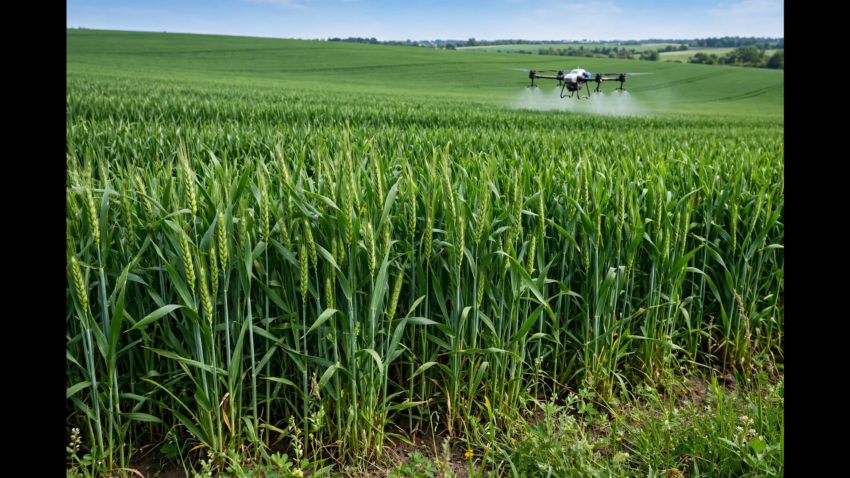
A crop under stress from pests, disease or nutrient shortage shows changes in its leaves days before a person walking the field can spot them. Drones with multispectral cameras and satellite vegetation maps catch those changes early, marking the exact patches that need attention.
Early detection changes the economics completely. Treating ten affected rows is cheap. Discovering the same problem after it has spread across half the field is not. Many farmers now scout by map first — check the flagged areas, confirm the problem on the ground, and treat only what needs treating. This targeted approach also means less pesticide overall, which protects both the budget and the soil life that future yields depend on.
This pairs naturally with the traditional knowledge in how to integrate technology with traditional farming — the map tells you where to look, and experience tells you what you are looking at.
Plant With Precision
Yield is partly decided on planting day. Precision planters place each seed at an exact depth and spacing, so every plant gets a fair share of light, water and nutrients instead of competing with a too-close neighbour or struggling alone in a gap.
GPS guidance keeps rows straight and overlaps near zero, which means no double-seeded strips wasting seed and no skipped strips wasting land. On large fields, guidance alone can recover a few percent of yield before any other technology is even switched on — land and seed you already paid for, finally fully used.
Choose Seed With Data, Not Habit
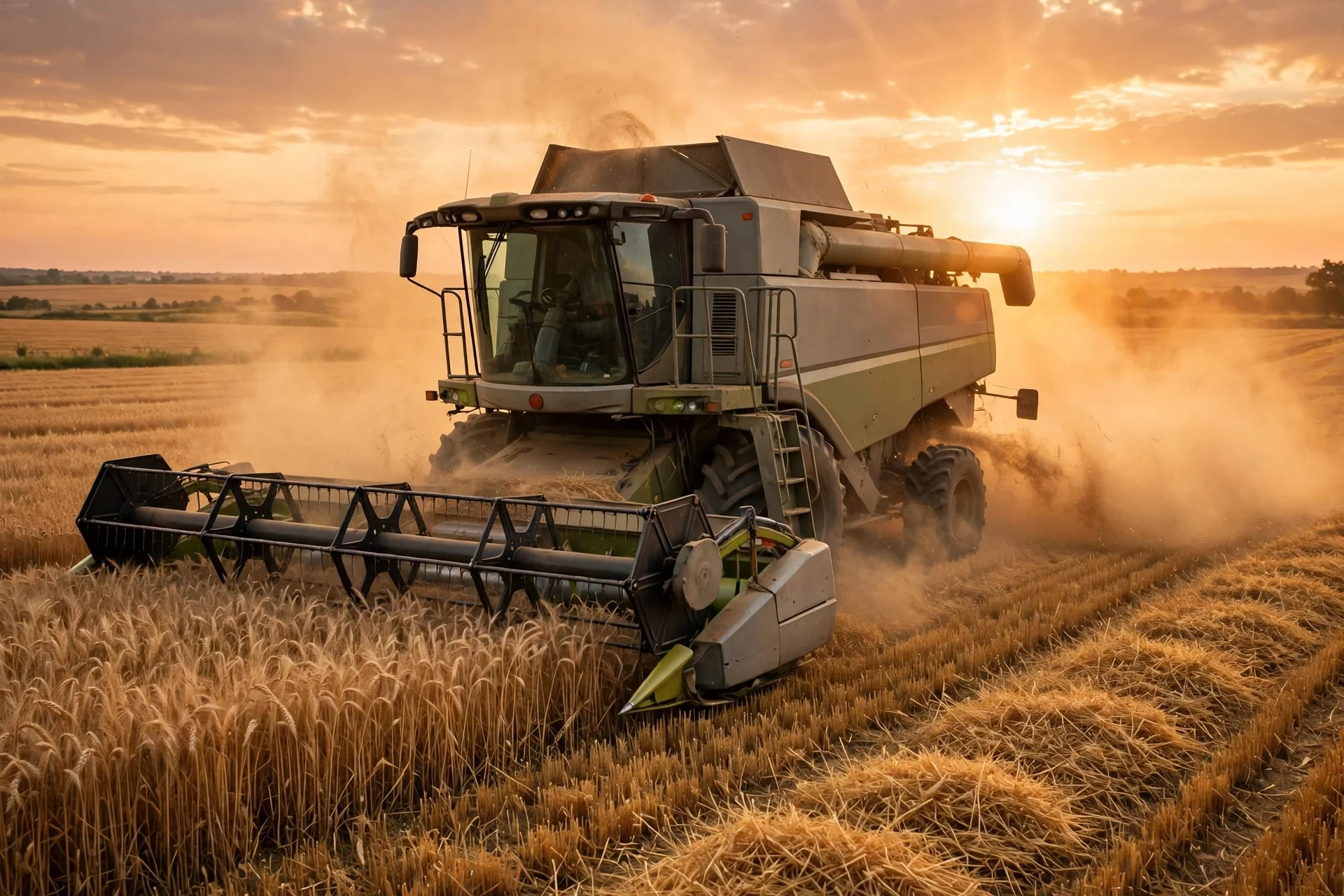
Seed catalogues promise a lot, but the only performance that matters is performance in your soil, your climate and your water conditions. Yield mapping at harvest — sensors on the harvester recording exactly how much came off each part of each field — turns every season into a variety trial.
After two or three seasons of yield maps, the pattern becomes undeniable — this variety wins on your dry field, that one wins near the water. Choosing seed from your own records instead of a catalogue photo is one of the most reliable yield improvements technology offers, and it costs nothing beyond the mapping you already do.
Protect the Yield You Already Grew
Finally, technology guards the harvest itself. Weather-based disease forecasting models warn when humidity and temperature line up for fungal outbreaks, giving you the spray window before infection instead of after. Storage sensors watch grain moisture and temperature so a good harvest is not lost in the bin.
Put together, the pattern across all of these tools is the same — measure first, act precisely, and record what happened. Yield rarely jumps because of one big machine. It climbs, season after season, because a dozen small losses stopped happening.
Frequently Asked Questions
Soil testing with variable-rate fertilizer usually pays back first, often within one season, because most fields have overfed and underfed zones. Correcting that imbalance raises yield in the starved areas while cutting wasted fertilizer elsewhere.
Yes. The highest-impact tools — soil tests, weather apps, satellite crop maps and moisture sensors — are cheap or free and scale down well. Small farms often see bigger percentage gains because a single corrected problem affects a larger share of their total output.
Drones with multispectral cameras reveal stressed patches days before the human eye can see them, so pests, disease and nutrient problems get treated early and only where needed. That early, targeted action protects yield that would otherwise be lost before anyone noticed a problem.
Yes. Exact seed depth and spacing give every plant an equal share of light, water and nutrients, and GPS guidance removes overlaps and gaps. Together they typically recover a few percent of yield using the same land and seed you already have.
A yield map records how much crop came off each part of a field during harvest. Compared over seasons, it shows which varieties, fertilizer rates and practices truly work in your specific soil — turning seed and input choices from guesses into data-backed decisions.
Sensor-based and drip irrigation commonly save 20 to 50 percent of water compared with fixed schedules, while yields stay the same or improve, because the crop receives water exactly when the roots need it instead of swinging between too dry and too wet.

Hamad Arshad writes and edits AI Next Top from Rahim Yar Khan, Pakistan. He has worked in SEO and digital marketing for over 7 years and started this site to explain AI tools and news in plain language for non-technical readers. Every guide here is checked against the real tool before it is published.








Leave a Reply