
Why Are Data Centers Controversial
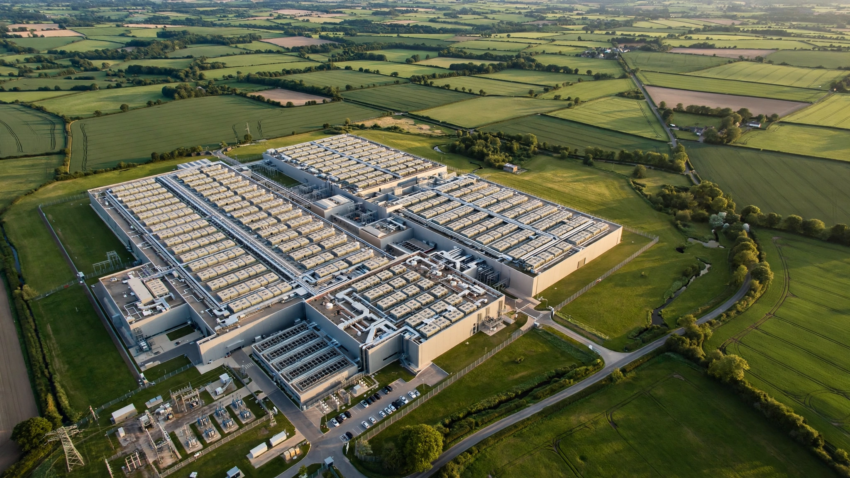
Until recently, a data center was the most boring building in America: a windowless box on cheap land that nobody campaigned about. That era is over. Searches for “data center” spiked on Google Trends as the buildings powering the AI boom became a genuine election issue — and on Tuesday, November 3, voters in dozens of communities across ten states voted directly on whether to delay, restrict or ban them. In Sunbury, Ohio, voters passed a measure banning data centers over 25 megawatts, with 78.6% voting yes (2,809 votes to 763). Understanding why data centers are controversial means understanding what changed: AI made these buildings enormous, thirsty for power — and impossible to ignore. A related Google world-model launch is covered in Google Genie 4 World Model.
The backlash is not coming from one party. In state after state, Democratic and Republican candidates are arriving at the same slogan from opposite directions: data centers should pay their own way.
In short: Data centers have become controversial because the AI boom supersized them. A Gallup poll found 71% of Americans oppose an AI data center in their own area — more than oppose a local nuclear plant. The complaints cluster around five things: higher household electricity bills when grid upgrades are shared with everyone, heavy water use for cooling, land and tax deals negotiated in secret, very few permanent jobs once construction ends, and who pays for the new power infrastructure. The political response has been strikingly bipartisan — large majorities of both parties’ governor candidates now back moratoriums or strict new conditions — and on November 3, voters in 38 local jurisdictions decided data center measures on Election Day, with restrictions passing or leading in most results reported so far.
The numbers behind the backlash
Public opinion has moved fast. Gallup’s survey found 71% of Americans opposed to an AI data center being built in their area, with 48% strongly opposed — opposition higher than for a local nuclear power plant, which stood at 53%. A separate university poll found 65% opposed in their community and only 11% in favour. A Pew survey found just 4% of adults believe data centers will benefit the environment or home energy costs. When a technology’s local approval rating sits below nuclear power’s, politicians notice.
And they have. A review of this year’s governor races found 92% of Democratic nominees and 87% of Republican nominees support either a moratorium on new data centers or new conditions on them. At least twenty gubernatorial candidates have called for temporary suspensions of development. Texas governor Greg Abbott — who less than a year ago boasted that a $40 billion Google investment would make his state the epicentre of AI development — has suspended data center permits until projects “pay their own way”. Pennsylvania pulled AI data centers out of its fast-track permitting programme and banned the secret nondisclosure agreements that often surround the deals. It is the physical footprint, more than AI itself, that voters are rejecting — the same footprint behind the sam altman ram comments row about whether the world’s memory belongs in data centers or in people’s homes.
Reason one — your electricity bill
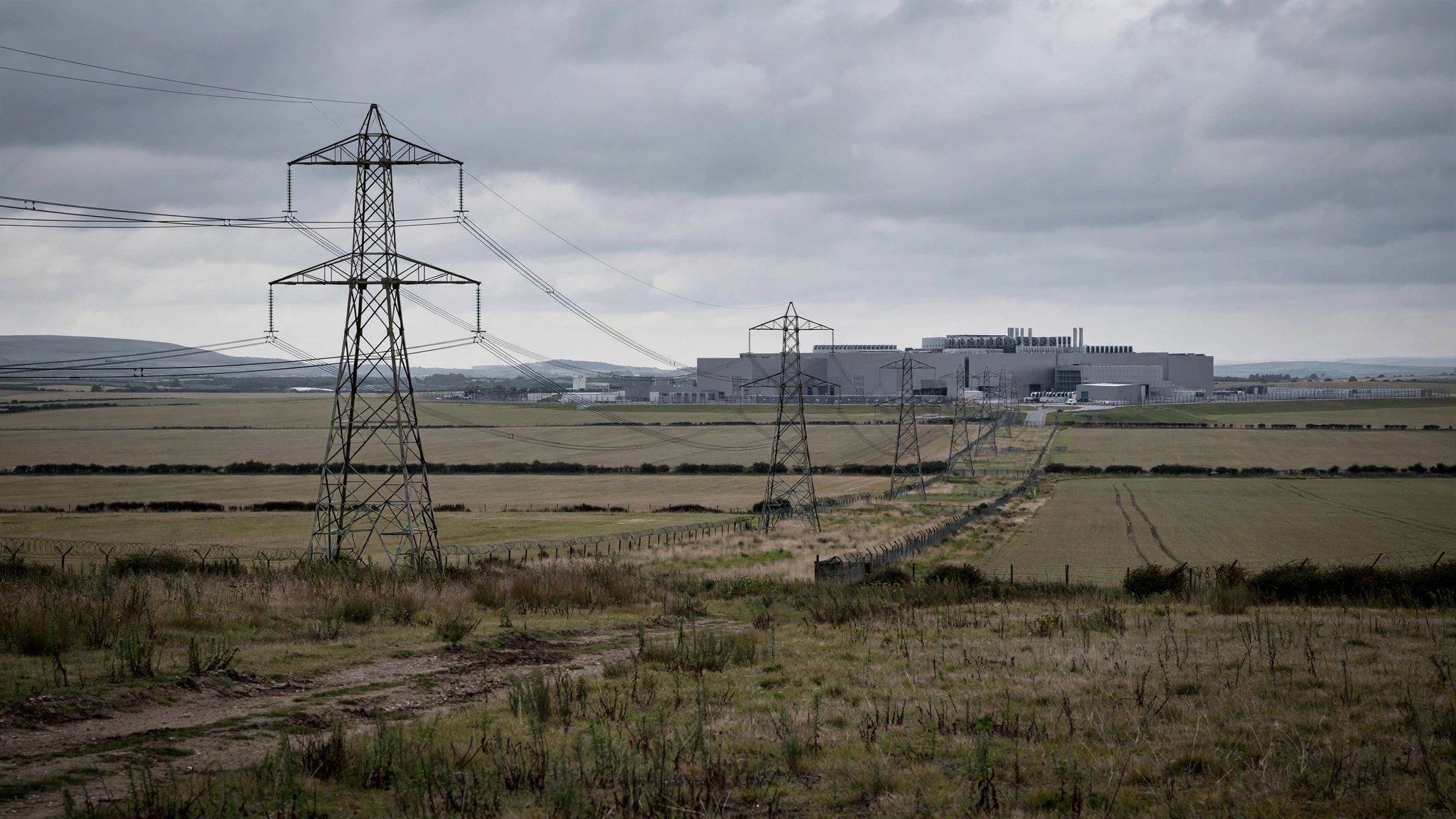
The most concrete complaint is money. A hyperscale data center can draw as much power as a small city, and connecting it usually means new substations, transmission lines and generation. Under many existing rules, those grid upgrade costs are spread across all customers in the region — including households that will never use a chatbot. When a family’s power bill rises to help wire up a facility owned by one of the richest companies on earth, the politics write themselves. That is why the most popular demand across both parties is not “ban them” but “make them cover their own energy costs” — dedicated rates, upfront infrastructure payments, and no quiet subsidies through ordinary bills.
Reason two — water, land and secrecy
Cooling is the second front. Many facilities use large volumes of water to keep servers from overheating, in some cases drawn from the same supplies as farms and towns, which is why closed-loop water systems have become a standard demand in drier states. Land follows: the campuses are vast, often built on farmland, and arrive with tax breaks that locals are asked to approve after the fact. The secrecy may be the most corrosive element — projects frequently advance under nondisclosure agreements, so residents learn the details of a done deal rather than a proposal. Several states and towns have now banned those NDAs for data center projects outright. For tools that make such data precise and searchable, see Best AI Search Optimization Software for Precise Data (2026).
Then there is the jobs disappointment. Construction brings real work for a year or two, but an operating hyperscale facility may employ only a few dozen people permanently. Communities feel they traded land, water and grid capacity for a locked gate and a humming fence line. These data pressures are part of What Challenges Does Generative AI Faces With Respect to Data.
What happens on Election Day
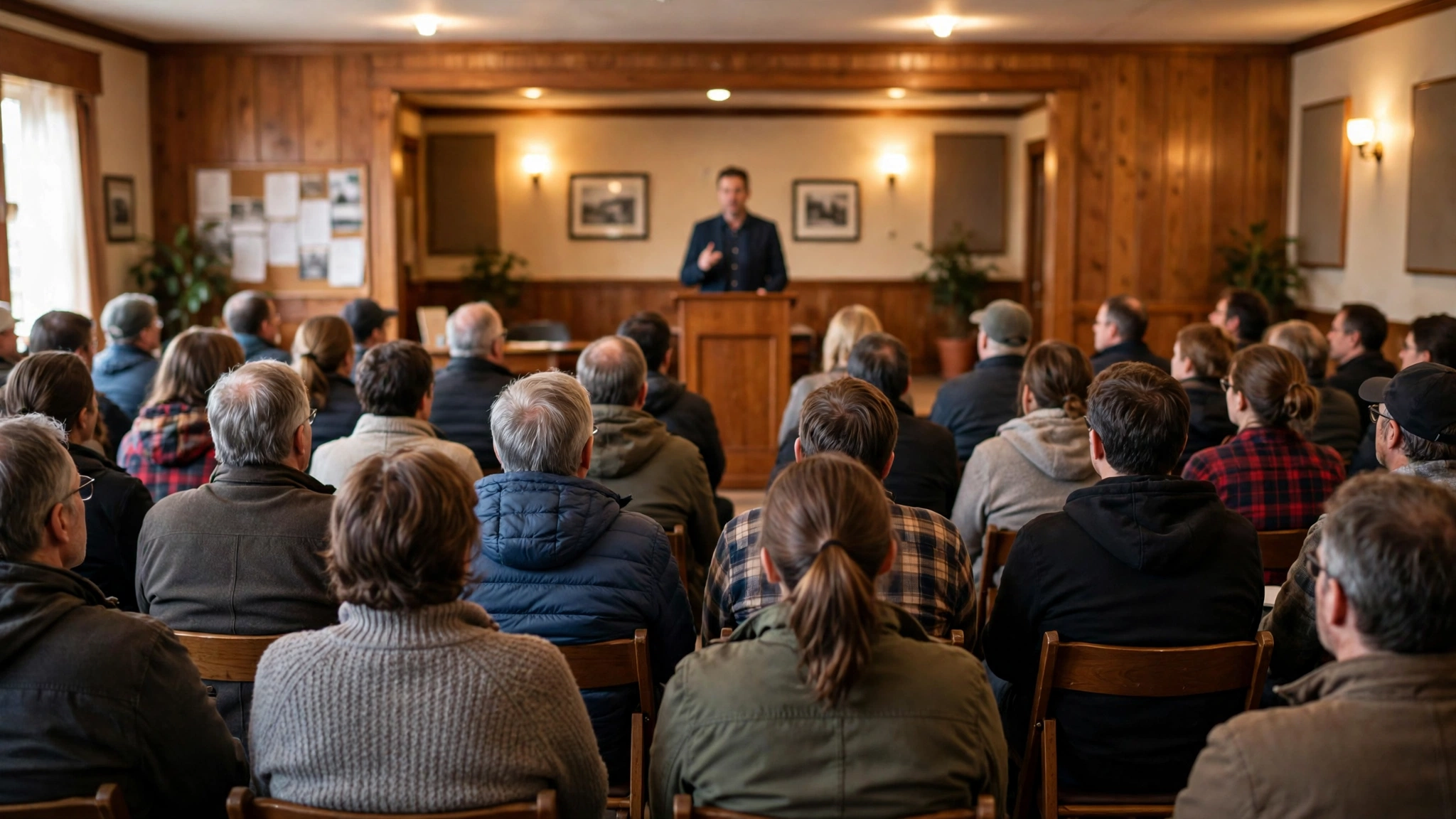
Tuesday turned the argument into votes. Ballotpedia counted voters in 38 local jurisdictions considering at least 41 measures that would delay, prohibit or impose new requirements on data centers, with Ohio — one of the fastest-growing data center markets in the country — holding 21 proposals alone. In Sunbury, Ohio, voters passed a measure banning data centers above 25 megawatts, with 78.6% voting yes (2,809 votes to 763) — a result that put Amazon’s proposed development there in doubt. By late Tuesday, Stateline reported that 33 measures to restrict data centers had passed or were leading, with roughly a dozen more not yet reported and only one pro-construction victory, in North Dakota. Industry analysts expected developers to route around hostile towns rather than abandon projects, since the buildout was not slowing: capacity under construction nationwide rose 48% in the first half of this year, and waits for grid connections already stretched for years. The money on the other side was real too — more than 150 campaign advertisements focused on data centers or the AI industry this cycle, and technology political spending passed $500 million, including a pro-industry group backed by OpenAI’s president that raised over $75 million.
The industry case, fairly stated
Data centers are not villainous by nature, and their defenders make points worth hearing. The AI services now woven into medicine, science and business have to physically run somewhere, and the same week voters weigh bans, AI models are being credited with results like the ai disproves exponential time hypothesis claim — breakthroughs that only exist because compute exists. Facilities bring construction jobs, property tax revenue and, where they build their own generation, new power capacity. The political argument, noticeably, is mostly not “never build”. It is “not like this, not in secret, and not on our bills” — a demand for terms, not an end to the technology. Even the fiercest state-level critics frame their conditions around AI continuing to grow: the fight is over who pays, which is the same argument running through the nvda stock drop debate about the cost of the AI boom. Another frontier Google model is covered in Google Gemini 4 Carbon Model.
So what happens next
Three outcomes played out in different places at once. Some communities voted bans and moratoriums, and developers quietly shifted those projects to friendlier counties and states. Some approved facilities under the new standard terms — the developer pays for grid upgrades, uses closed-loop cooling, signs no secret deals, and guarantees local benefits in writing. And at state level, “pay your own way” rules kept spreading, because they are that rare thing in modern politics: a position both parties’ voters reward. The November 3 results showed the first outcome was the most common: restrictions passed or led in most places counted, while only one pro-construction measure won.
The deeper shift is permanent. The AI boom spent its first years as a story about software — models, apps, chatbots. Its second act is a story about land, water, wires and votes. Data centers became controversial the moment AI stopped being abstract and started arriving, truck by truck, in people’s towns. That is not a problem the industry can message its way out of. It has to be negotiated, community by community — and on Tuesday, November 3, voters did exactly that, town by town.
Frequently asked questions
Because AI changed their scale. Modern AI data centers consume city-level amounts of electricity and large volumes of cooling water, occupy huge areas of land, and are often approved through secretive deals with tax incentives. Polls show most Americans — 71% in Gallup’s survey — oppose one being built near them, mainly over energy bills, water, environment and quality of life.
Voters in 38 local jurisdictions across ten states will consider at least 41 measures to delay, prohibit or add requirements to data center projects. Ohio has the most, with 21 proposals. In Sunbury, Ohio, one measure banning facilities above 25 megawatts could stop a proposed $2 billion Amazon project.
They can. Connecting a very large facility often requires grid upgrades, and where those costs are shared across all ratepayers, household bills rise. This is the single most common complaint, and the reason candidates in both parties now demand that data centers pay for their own energy infrastructure instead of spreading the cost.
It varies widely by design and climate. Traditional evaporative cooling can use millions of litres a day at a large campus, competing with farms and towns in dry regions. Newer closed-loop and air-cooled designs use far less, which is why water systems have become a standard condition in local approvals and state proposals.
Yes — unusually so. A review of governor races found 92% of Democratic and 87% of Republican nominees back a moratorium or new conditions on data center development. The shared position is usually that projects should pay their own way on energy infrastructure. The parties still differ sharply on regulating AI itself, but on the buildings, they largely agree.
Probably not stop it — capacity under construction grew 48% in the first half of this year, and developers can relocate projects to friendlier jurisdictions. The likelier outcome is a new normal: no secret deals, developers funding their own grid upgrades, stricter water rules, and enforceable local benefits, negotiated town by town.

Hamad Arshad writes and edits AI Next Top from Rahim Yar Khan, Pakistan. He has worked in SEO and digital marketing for over 7 years and started this site to explain AI tools and news in plain language for non-technical readers. Every guide here is checked against the real tool before it is published.








Leave a Reply