
Military Commissary Freezer Cyberattack
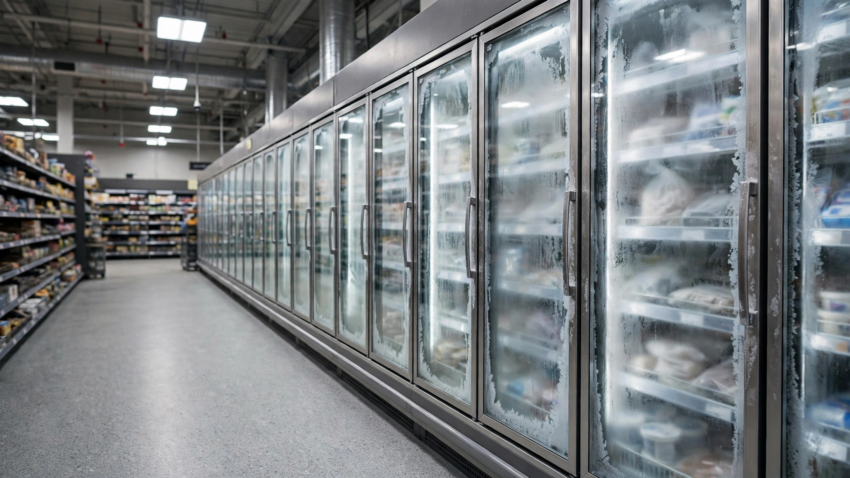
Of all the weapons an attacker could aim at a military, the humble freezer is not the first that comes to mind. Yet the Pentagon is now investigating a string of freezer failures at US military base grocery stores — commissaries — as a suspected cyberattack, and the story has pushed searches for the military commissary freezer cyberattack story past 20,000 on Google Trends, with growth above 600%. The reason investigators are taking warm freezers this seriously sits across the Atlantic: in France, hackers recently seized control of supermarket refrigeration systems in hundreds of stores and turned the temperature up until food spoiled and some units caught fire. A related Google world-model launch is covered in Google Genie 4 World Model.
Nobody has yet proved the American incidents were a hack at all. That uncertainty is precisely what makes the case worth understanding — because it shows how fragile the invisible, internet-connected machinery of everyday life has become.
In short: In late August, freezers at at least six US military commissaries malfunctioned — several switching into defrost or heating overnight and spoiling food. Reuters reported on October 29 that the Pentagon is treating the failures as a suspected cyberattack, with a Cyber Command unit and Army criminal investigators involved and US investigators in contact with French law enforcement. Weeks earlier, attackers in France overrode refrigeration controls at more than 350 stores, pushing temperatures to around 50°C (122°F). Many French units used controllers from Danish maker Danfoss, often running outdated firmware; security researchers had reported serious flaws in such controllers, including a hidden login. The US cause is NOT confirmed — investigators must still separate deliberate sabotage from ordinary equipment failure.
What happened at the US military bases
The American incidents date back to late August, when commissaries — the subsidised grocery stores on military bases — at multiple sites began reporting refrigeration failures. Reuters counted at least six affected commissaries from base announcements; some reporting puts the figure as high as fourteen sites across eleven states, though not all are confirmed. Named locations include Fort Irwin, F.E. Warren Air Force Base, Naval Station Newport, Columbus and Travis Air Force Base.
What caught investigators’ attention was the pattern. At Fort Huachuca in Arizona, the base explained to residents that its freezer “went into defrost mode where it heated up all the food” — the units did not simply break down; in at least some cases the temperatures were cranked up overnight, leaving staff to find mounds of spoiled food in the morning. Equipment fails all the time. Equipment failing in the same unusual way, at multiple bases, in the same window of days, is a different kind of signal — the same dependence on connected control systems that sits behind so much of the sam altman ram comments debate about who controls the physical layer of technology.
The French attack that changed the investigation
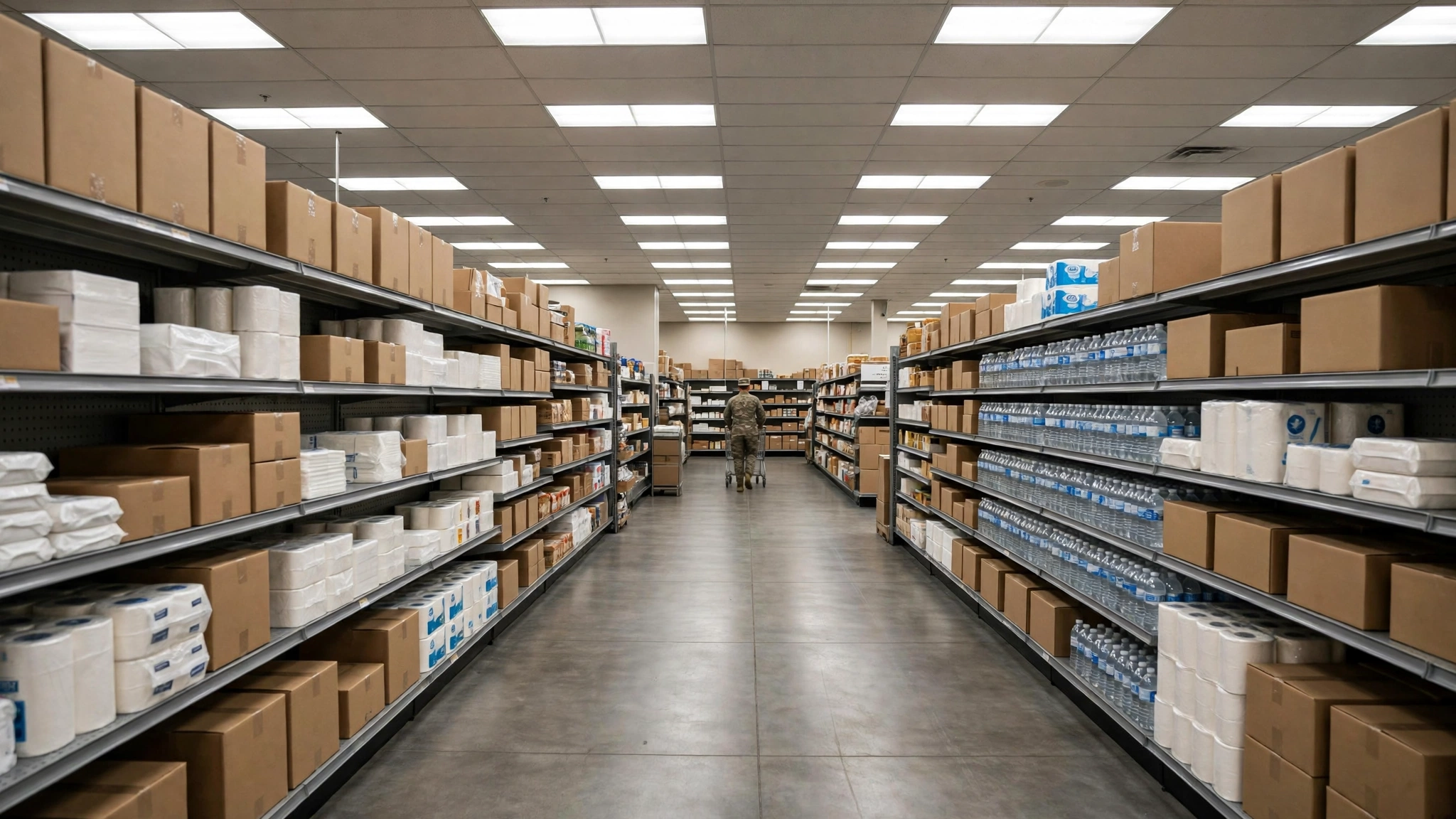
The turning point came in October in France, where attackers took control of commercial refrigeration units at more than 350 establishments — around 150 Intermarché stores, roughly 100 Super U locations, plus Monoprix and Carrefour sites among them. Temperatures inside units were pushed as high as 50 degrees Celsius. Frozen food aisles were emptied across the country, some overheated units caught fire, and the damage has been estimated anywhere from hundreds of thousands of euros for individual chains to tens of millions nationwide.
After that attack, the August failures in America stopped looking like a maintenance coincidence. US investigators contacted French law enforcement, the Army’s Criminal Investigation Division confirmed its Cyber Field Office is working the case alongside French counterparts, and the Pentagon has said a Cyber Command unit is coordinating with other agencies. When a military’s cyber force joins an inquiry about grocery freezers, the working theory is no longer a broken thermostat.
The weak point — old controllers with old software
The French investigation points at a familiar culprit: refrigeration controllers made by Danish company Danfoss, which ran many of the attacked French units. Danfoss itself has said many of the devices were old or running outdated firmware. In August — the same month as the US failures — cybersecurity firm Claroty published vulnerabilities in controllers from Danfoss and another maker, Copeland, including a hidden login that could let an attacker take control of a system. Danfoss has since released a fix. Records for at least one US commissary, at Naval Air Facility El Centro in California, listed a Danfoss control system, though Reuters could not confirm which brand was used at most of the affected bases. A Google model built for cybersecurity is covered in Google Gemini 4 Carbon Model.
This is the part of the story that reaches far beyond the military. The world’s cold chain — supermarkets, warehouses, pharmacies, hospitals — runs on controllers that were designed to be serviced, not defended. Many sit on networks with default passwords, unpatched firmware and remote access left open for maintenance contractors. It is the same class of problem that drives modern who owns ai-era infrastructure risk: the smarter and more connected a physical system becomes, the more its security depends on the least-updated device attached to it.
What investigators still do not know
Honesty matters here, because the gap between “suspected” and “proven” is wide. Reuters could not determine how far the investigation has progressed, who might be responsible, or whether the US failures were caused by an attack at all. Experts note that a temperature rise alone does not establish a hack — controller logs and independent temperature records are what separate a deliberate settings change from an ordinary fault, and that forensic work takes time. The Pentagon has declined to elaborate beyond confirming the coordination, and the French Embassy in Washington offered no comment.

Why a freezer story deserves your attention
Strip away the uniforms and this is a story about the soft underbelly of connected infrastructure. A refrigeration controller is a tiny computer. Multiply it by every supermarket, cold store and military base on earth, add remote access and years-old firmware, and you have an attack surface that no firewall around a headquarters will ever cover. The alleged French operation did not steal data or ransom anything — it simply turned a dial, and let physics do the damage. Food spoiled, fires started, and a supply chain noticed. For young workers entering this connected economy, see Sam Altman Advice for Young Workers in the AI Age.
For the US military, the stakes are readiness: commissaries feed service members and their families at 235 locations worldwide, and an attacker who can spoil food at scale has found a cheap way to impose costs. For everyone else, the lesson is more ordinary and more useful. The devices quietly running the physical world — freezers, pumps, lifts, heating systems — now need the same patching and password discipline as laptops. The investigation will eventually say whether August’s failures were sabotage or coincidence. Either way, the French attack already proved the method works, and that proof will outlast this news cycle — much like the spending questions raised by the nvda stock drop, it points at how much of modern life depends on infrastructure most people never think about until it fails. A contrasting platform policy for games is covered in Valve Steam AI Games Cloning Policy.
Frequently asked questions
US military investigators are examining freezer failures that spoiled food at commissaries — grocery stores on military bases — in late August, treating them as a suspected cyberattack. The Pentagon confirmed a Cyber Command unit is involved, and US investigators are coordinating with French law enforcement after a confirmed refrigeration hack at hundreds of French supermarkets.
Reuters counted at least six commissaries from official base announcements, including Fort Irwin, F.E. Warren, Naval Station Newport, Columbus and Travis. Some reports suggest up to fourteen sites in eleven states may have had failures, but not all of those are confirmed, and investigators have not published a final list.
In October, attackers overrode refrigeration controls at more than 350 French establishments, including around 150 Intermarché and roughly 100 Super U stores. Temperatures were pushed up to about 50°C (122°F), spoiling frozen food across the country; some units caught fire. Damage estimates range from hundreds of thousands of euros per chain to tens of millions in total.
No. The Pentagon is treating the failures as a suspected cyberattack, but the cause has not been confirmed. Investigators are examining controller logs and temperature records to distinguish deliberate changes from equipment failure. No responsible party has been identified publicly.
Many of the French units used refrigeration controllers from Danish manufacturer Danfoss, often old models running outdated firmware. Security researchers at Claroty had reported serious flaws in Danfoss and Copeland controllers in August, including a hidden login that could allow an attacker to take control. Danfoss has released a fix for its devices.
Refrigeration is critical infrastructure hiding in plain sight. Spoiling food at scale imposes real costs, disrupts supply chains and — at military bases — affects the daily lives of service members and their families. Connected controllers with weak security make such systems an attractive, low-effort target compared with hardened military networks.

Hamad Arshad writes and edits AI Next Top from Rahim Yar Khan, Pakistan. He has worked in SEO and digital marketing for over 7 years and started this site to explain AI tools and news in plain language for non-technical readers. Every guide here is checked against the real tool before it is published.








Leave a Reply