
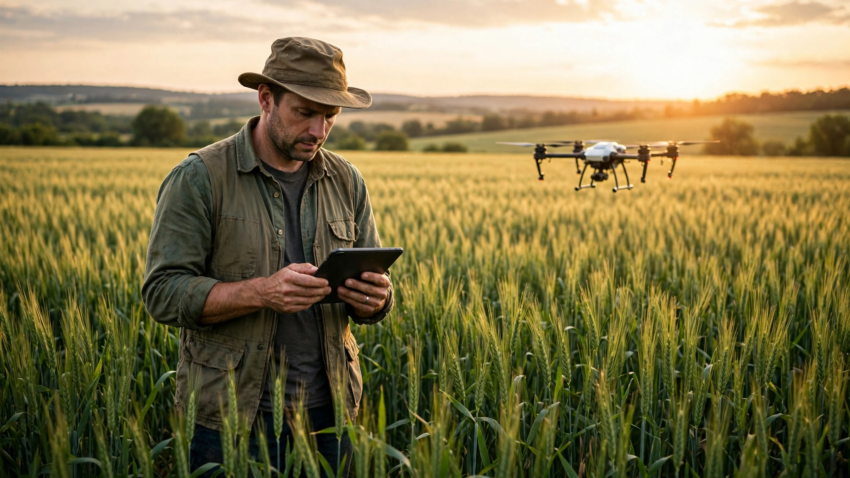
How to Integrate Technology With Traditional Farming
Farming is one of the oldest jobs on Earth, and it is quietly becoming one of the most technical. The farmers getting the best results today are not the ones who threw out everything their grandparents knew. They are the ones who added the right tools, one at a time, on top of that knowledge. This guide explains how to integrate technology with traditional farming in a way that respects both sides: start small, solve real problems, and let the land, not the sales brochure, decide what stays.
Why Traditional Farming and Technology Belong Together
Traditional farming knowledge is not the obstacle to technology. It is the foundation that makes technology useful. A farmer who knows his soil by feel can tell when a sensor reading is nonsense. A grower who reads the sky every morning can judge whether the weather app’s warning matters for her fields or only for the next valley.
Technology, in return, gives that experience extra reach. It remembers everything, watches everything, and does the maths nobody has time for during harvest. The goal of integration is not a robot farm. It is a farm where experience makes the decisions and technology does the measuring, recording and alerting.
Start With Information, Not Machines
The biggest mistake new adopters make is buying impressive machinery first. The farms that succeed start with information:
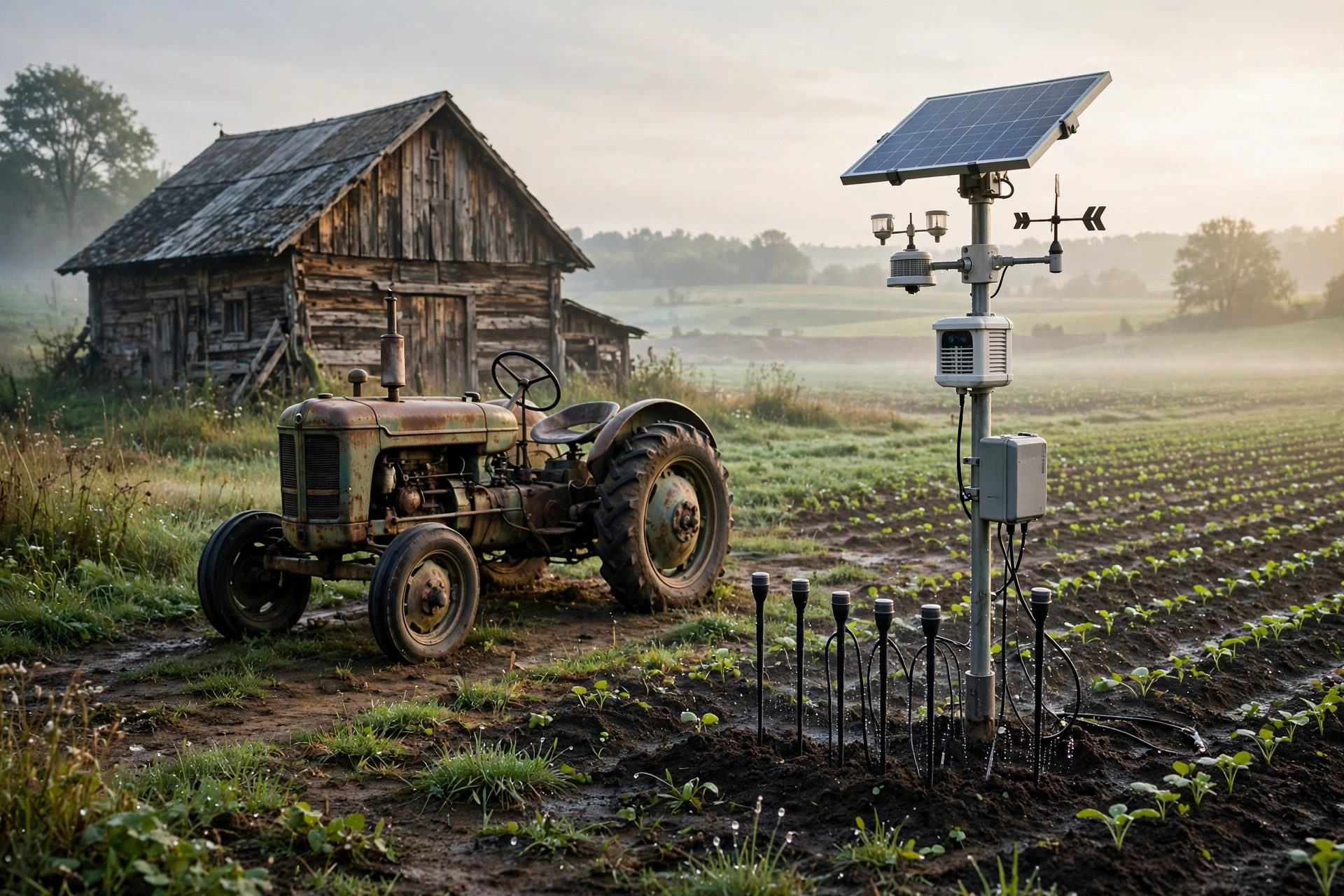
- Weather data. A small on-farm weather station beats a regional forecast every time, because rain that falls two valleys away is not rain on your crop.
- Soil testing and sensors. Knowing moisture and nutrient levels in each field stops both over-watering and wasteful fertiliser use.
- Simple records. Planting dates, inputs, yields per field. Even a basic app or spreadsheet beats memory, and it is the raw material every smarter tool will need later.
This information-first approach is the same pattern other traditional industries follow. Builders went through it too, as our article on AI in construction describes: measure first, automate second.
Drones, Cameras and AI Eyes in the Field
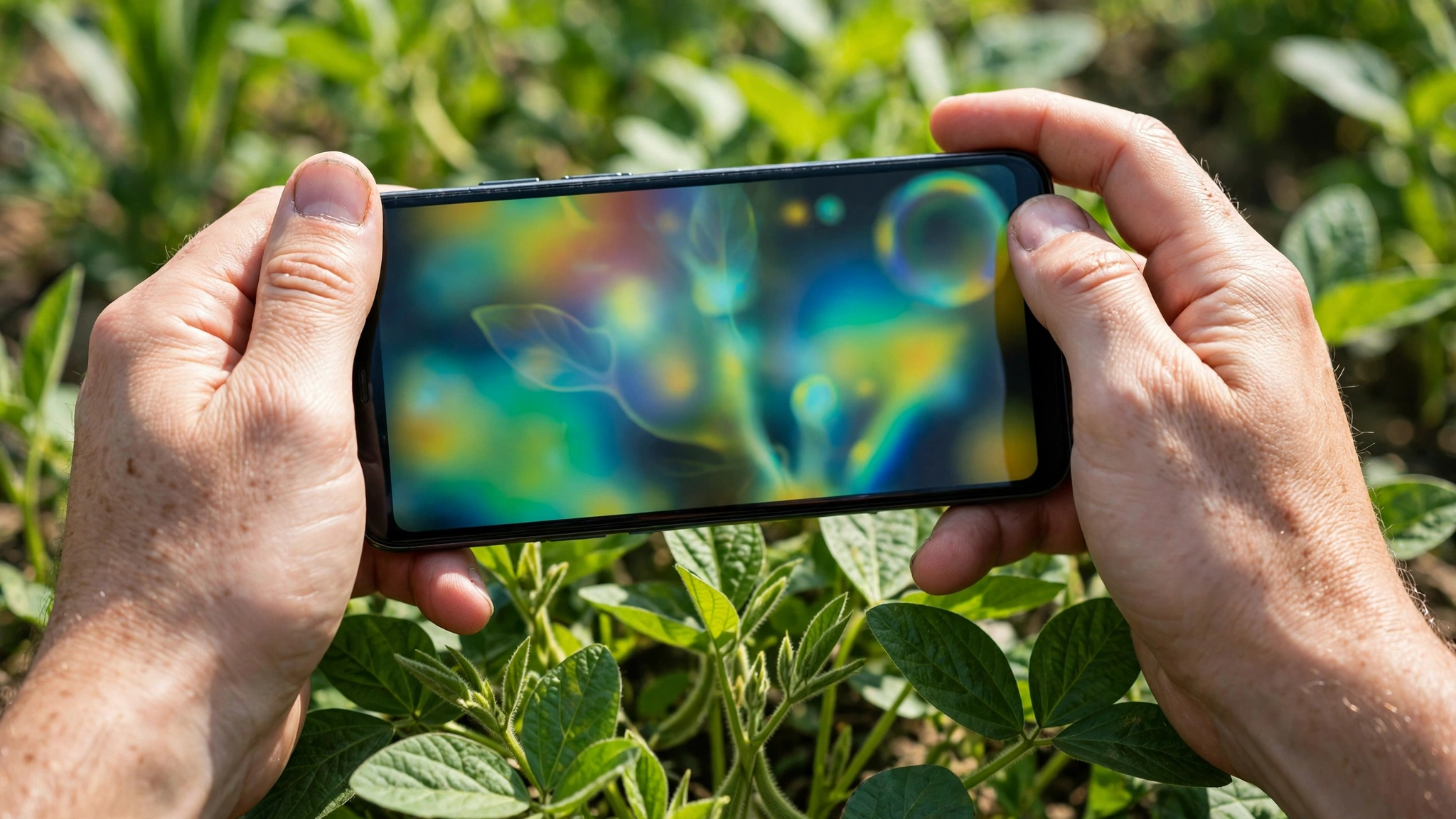
Once the basics are in place, cameras become the farm’s extra eyes. A single drone flight can map an entire field and highlight the patches where crops are stressed, days before the problem is visible from the ground. Phone apps can identify many plant diseases from a leaf photo, which turns every worker into a scout.
Behind these tools sit the same kinds of AI models explained in our overview of the different types of AI: image recognition to spot problems, prediction models to forecast yield and disease risk, and language tools that answer questions in plain words. You do not need to understand the maths. You need to know what each tool is good at, and to check its advice against what you can see with your own eyes before acting on it.
Automate the Repetitive Work First
After information and eyes, the third step is handing over the boring jobs. Automatic irrigation that responds to soil moisture, feed systems that portion rations precisely, milking robots, and alerts that arrive on your phone when a fence breaks or a tank runs low: none of these replace the farmer. They replace the farmer’s need to be everywhere at once.
This is intelligent automation in work boots. Software watches the numbers and handles the routine, and the human handles the exceptions: the sick animal, the strange reading, the decision that depends on twenty seasons of experience. Farms that automate this way usually report the same surprise: the technology gave them their evenings back, not a pink slip for their skills.
Keep the Human Skills at the Centre
Every tool on the farm should pass one test: does it make the farmer’s judgement stronger, or does it ask the farmer to stop judging? Weather stations pass. Disease apps pass, as a second opinion. Systems that demand blind obedience to a black-box recommendation fail, and experienced farmers rightly reject them.
Practical habits help. Keep manual skills alive by doing some tasks the old way each season. Teach younger workers both the traditional method and the tool, so knowledge survives a dead battery or a lost signal. And keep paper or offline backups of critical records, because harvest day is exactly when the internet will choose to fail.
A Simple Roadmap for Getting Started
You do not need a five-year digital strategy. Most farms integrate well with a season-by-season rhythm: pick one problem that genuinely costs you money or sleep, whether that is water, disease, labour or record-keeping. Try the simplest tool that addresses it, on one field or one herd, for one season. Measure honestly whether it paid for itself. Keep what works, drop what does not, and let each success fund and justify the next step. Technology integrated this way never fights tradition. It grows out of it, one proven improvement at a time.
Start with information tools like weather stations, soil sensors and digital records, then add cameras and drones for monitoring, and automate repetitive work such as irrigation and feeding. Introduce one tool at a time, test it on part of the farm for a season, and keep the farmer’s experience in charge of decisions.
The highest-value starting tools are usually a local weather station, soil moisture sensors, a smartphone with plant disease and record-keeping apps, and satellite or drone crop imagery. These are cheap compared with machinery and improve almost every other decision on the farm.
No. Technology works best as a second pair of eyes and a perfect memory. Traditional knowledge tells the farmer when a reading looks wrong and how local conditions change the advice. Farms get the best results when experience makes the decisions and technology does the measuring.
The main benefits are lower water and fertiliser waste, earlier detection of disease and stress, less time on repetitive tasks, better records for planning and loans, and more consistent yields. Even simple tools can pay for themselves within a season when they target a real cost.
Common problems are cost, unreliable rural internet, tools that break with no local repair option, and apps that demand blind trust in their recommendations. Testing tools on a small area first, keeping offline backups and maintaining manual skills all reduce these risks.
A basic weather station and soil sensors can start from a few hundred dollars, and many useful apps are free or cheap. Drones and automation systems cost more, which is why the sensible path is to begin with information tools and let each proven saving fund the next step.

Hamad Arshad writes and edits AI Next Top from Rahim Yar Khan, Pakistan. He has worked in SEO and digital marketing for over 7 years and started this site to explain AI tools and news in plain language for non-technical readers. Every guide here is checked against the real tool before it is published.








Leave a Reply