
Undetectable AI Humanizer
TL;DR — An undetectable ai humanizer rewrites AI-generated text so it reads more like natural human writing. The best-known options are Undetectable AI, HIX Bypass, WriteHuman and StealthWriter, and all four offer a free trial or free words to test with. Results vary from one detector to the next, and no tool can honestly guarantee that a text will pass every check.
If you write with AI tools, you have probably hit the same problem. The draft looks fine to you, but a detector flags it as machine-written, and the wording still feels flat and robotic. An undetectable ai humanizer is built for exactly that gap. It takes AI-generated text and rewrites it with more natural rhythm, varied sentence lengths and less predictable word choices. This guide explains what these tools do, how they work, which ones are worth testing and where their real limits are. It also sits alongside our roundup of the best AI tools if you want to compare them with the wider category.
What Is an Undetectable AI Humanizer
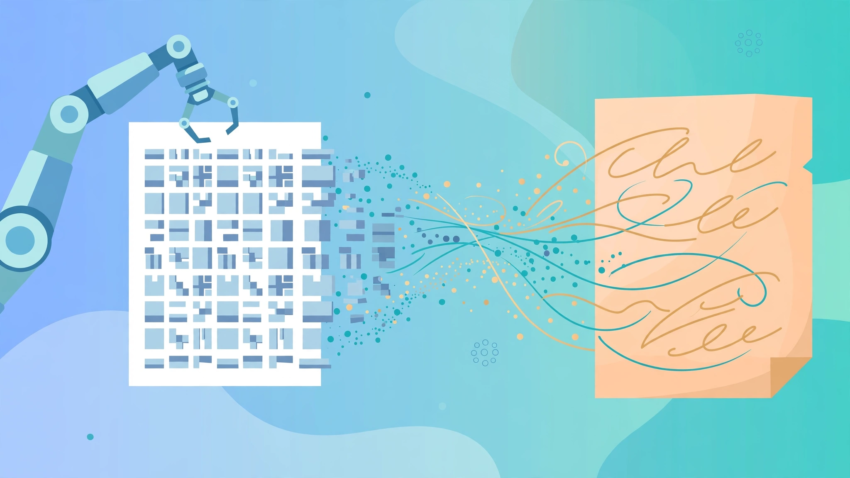
An undetectable ai humanizer is a rewriting tool that restructures AI-generated content so it reads the way a person would naturally write it. Standard paraphrasers mostly swap synonyms. A humanizer goes further, changing sentence structure, varying paragraph rhythm and removing the repetitive patterns that detectors look for.
People use these tools for a few common reasons. Marketers want blog drafts that sound less templated. Students and professionals want AI-assisted drafts to keep a natural voice. Freelancers use them to polish client work before delivery.
It helps to keep expectations realistic. A humanizer improves style and readability, and it can lower the chance a detector flags a text. It does not turn weak content into strong content, and it cannot promise a specific score on any detector.
How Does an AI Humanizer Work
Most humanizers follow the same basic pipeline. First, the tool analyses your text and spots the patterns detectors rely on, such as uniform sentence length and predictable word choices. Second, it rewrites the text at sentence level, changing structure rather than just vocabulary. Third, some tools run the result against their own built-in detector and rewrite again if the score is still high.
The quality of that rewrite depends heavily on the model behind the tool. Stronger humanizers keep your meaning, facts and tone intact while changing how the text reads. Weaker ones produce clumsy sentences and odd word choices. That is why testing with your own real text matters more than any marketing claim. Detectors are also a moving target. Each one uses its own model, they disagree with each other often, and both can be wrong about genuinely human writing, so treat every score as a rough signal rather than a verdict.
Which AI Humanizer Tools Are Worth Trying
The four tools below are the names that come up most often in this category. Each offers a way to test before paying, so run the same sample text through all of them and compare the results yourself.
| Tool | Best for | Free trial | Price |
|---|---|---|---|
| Undetectable AI | All-round rewriting with a built-in detector | Free words to test on signup | Paid plans based on monthly word counts |
| HIX Bypass | Writers already using the HIX writing suite | Free trial words included | Paid plans based on monthly word counts |
| WriteHuman | Simple, focused humanizing with privacy claims | Free trial with limited words | Paid plans based on monthly word counts |
| StealthWriter | Trying multiple rewrite modes and strengths | Free plan with limited daily use | Paid plans for higher limits and modes |
Undetectable AI
Undetectable AI is the tool most people hear about first in this category, and the one that made humanizers mainstream. You paste in a text, pick a readability level and purpose, and the tool rewrites it and shows a detector-style score from its own checks. It also includes an AI detector of its own, so you can test a draft before rewriting it.
The free allowance lets you test short passages, which is enough to judge the rewriting quality on your own content. Paid plans scale by monthly word count. Output usually stays close to the original meaning, though readability can dip on technical text, so read the result before using it.
HIX Bypass
HIX Bypass is the humanizer inside the wider HIX AI writing platform. If you already use HIX for drafting or editing, the appeal is having everything in one place. You paste text in, it rewrites it, and HIX shows how the result performs against well-known detectors in the same interface.
New accounts get free trial words, and paid plans scale with monthly volume. HIX Bypass offers different rewriting modes, useful when a light touch is enough for one text but a heavier rewrite is needed for another. The interface can feel busier than a single-purpose tool, but the engine itself is competitive with the category leaders.
WriteHuman
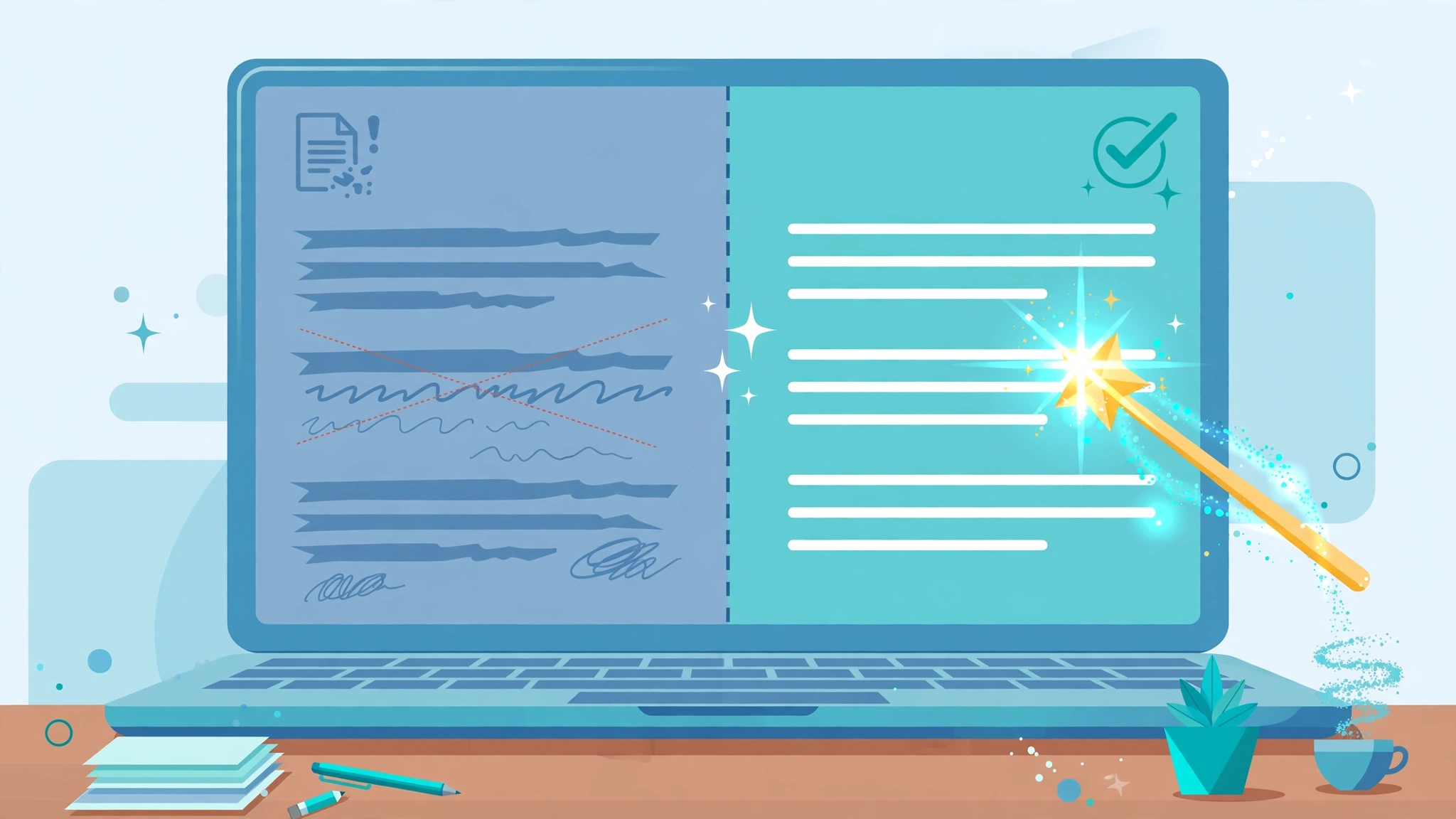
WriteHuman keeps things deliberately simple. The interface is basically a paste box, a humanize button and the rewritten result, with an emphasis on privacy and on removing AI tracking markers from text. It suits people who want one job done quickly.
There is a free trial with a limited number of words, and paid plans raise the monthly limits. WriteHuman output tends to read casually and naturally on general topics, which makes it popular for blog drafts and everyday business writing. Long documents need to be processed in sections on the cheaper plans, and it can occasionally change a nuance you cared about, so a quick human review is still part of the workflow.
StealthWriter
StealthWriter takes a different approach by letting you choose how aggressive the rewrite should be and by showing multiple rewritten versions of the same text. That is useful, because you can pick the version that sounds most like you. It also includes its own detector for checking text in the same place.
A free plan with limited use is available, and paid plans unlock stronger modes and higher limits. The trade-off is that the strongest mode can drift furthest from your original wording, so compare versions carefully on anything factual.
How Do You Use an AI Humanizer
The workflow is nearly identical across all four tools.
- Start with a finished draft. Humanizers polish text, so write or generate the full piece first and fix the structure and facts yourself.
- Paste a section at a time. Most tools work best on a few hundred words per run, and section-by-section rewriting keeps the tone consistent.
- Pick the lightest rewrite mode that works. Stronger modes change more wording, which raises the risk of drifting away from your meaning.
- Read the output out loud. If a sentence sounds odd to you, it will sound odd to your reader too. Fix those spots manually.
- Run a detector check as a rough signal only. An AI assistant for productivity can also help you manage drafting, checking and editing in one routine.
- Do a final human edit. Add a personal example, a specific detail or your own phrasing. Real human input is still the most reliable way to make text sound human.
What Are the Honest Limits of AI Humanizers
The biggest caveat is simple. No humanizer can guarantee that a text will pass every detector, because detectors are inconsistent and are updated constantly. Independent tests regularly show detectors flagging genuine human writing and missing obvious AI text. Any tool that promises a perfect score every time is marketing, not describing reality.
There are other limits worth knowing. Heavy rewriting can flatten a distinctive voice, soften precise technical language or introduce small factual errors. If you write fiction or other creative work, our guide to finding an AI writing tool for fiction covers tools built for that job instead. Humanizers also raise fair-use questions in settings such as schools with strict AI policies, so check the rules that apply to your work first.
Used honestly, these tools are best seen as editing assistants that make AI-assisted drafts read more naturally, with a careful human pass doing the rest.
Frequently Asked Questions
It depends on what you expect from it. A good one reliably makes AI drafts read more naturally, with better rhythm and fewer robotic patterns, and the four tools in this guide do that job well. It is less reliable as a promise about detector scores, because every detector behaves differently and none is fully accurate.
There is no single best option for everyone. Undetectable AI is the most popular all-rounder, HIX Bypass suits people already inside the HIX suite, WriteHuman is the simplest, and StealthWriter gives you the most control over rewrite strength. The smartest approach is to run the same sample text through the free trials and pick the output that sounds most like you.
All four tools covered here offer a free way to start, either with free trial words or a limited free plan. That is enough to test quality on a short passage. Regular or high-volume use needs a paid plan, usually priced by how many words you process each month.
Yes, they can. Humanizing lowers the patterns detectors look for, but detectors disagree with each other and none is perfectly accurate. A humanized text can still be flagged, and a raw AI text can still pass. Treat detector results as rough guidance and rely on your own read of the text.
That depends on the rules of your setting. Many workplaces and clients accept AI-assisted drafting with human editing, while some schools and publications have strict policies against it. The responsibility to follow the rules that apply to your work stays with you.
They can, especially on the strongest rewrite settings. Most outputs keep the core meaning, but nuances, technical terms and specific claims can shift. Always compare the rewritten version with your original on anything factual before you publish or submit it.

Hamad Arshad
SEO Specialist | SEO Manager | GEO Strategist
7+ Years of Experience in SEO, GEO, AEO, AI SEO, Local SEO, Technical SEO, PPC, Google Ads & Meta Ads.








Leave a Reply