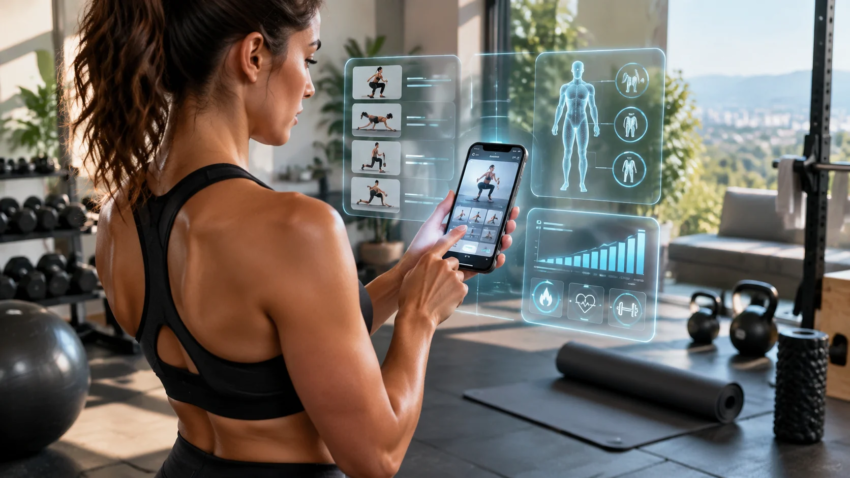
Free Ai Workout Generator
Best for Bodyweight and No-Equipment Training
Nike Training Club is entirely free, with Nike’s premium content library opened up at no cost and AI-powered workout recommendations built into the experience — a genuinely strong option for home workouts without equipment. Freeletics specializes specifically in bodyweight and HIIT training with AI-generated plans based on your fitness level and goals, with a free tier to start.
Best for Gym and Strength Training
Fitbod builds each session based on your training history and estimated recovery per muscle group, which is a more sophisticated approach than a static plan, though its deeper AI features require a subscription after an initial trial. Alpha Progression takes a different approach: its workout tracker, full 795-exercise library with videos, and manual planning are permanently free, while the AI-personalized generator and progression recommendations specifically require the paid tier — worth knowing if you want AI generation specifically, not just free tracking. Caliber also offers a free tier with AI-generated strength programs and exercise logging.
Best General-Purpose AI Chat Option
ChatGPT can generate a full workout plan for free from a text description of your goals, equipment, and schedule, and works well for a quick, flexible plan without installing a dedicated app. The tradeoff is that it doesn’t track your workouts, adjust based on logged performance, or provide exercise demonstration videos the way a purpose-built fitness app does — it’s best treated as a fast starting point rather than an ongoing training system.
How to Get a Genuinely Good Plan Out of Any of These Tools
- Be specific about your equipment and space, not just your goal — a plan built for a full gym won’t translate well to a home setup with no equipment.
- State your actual experience level honestly. AI tools can’t assess your form or conditioning the way a trainer watching you would, so an inflated self-assessment produces a plan beyond what’s actually appropriate.
- Mention any injuries or movement limitations upfront, since general-purpose tools won’t ask unless prompted, and this is exactly the kind of detail that matters for safety.
- Start with a shorter plan and adjust, rather than committing to a long program before confirming the exercises and intensity actually fit you.
- Log your actual results if the tool supports it, since adaptive tools like Fitbod only get more useful the more real performance data they have to work with.
Common Mistakes People Make With These Tools
Trusting a self-published “best app” ranking at face value. Checking who published the list and whether they have a stake in the outcome avoids being steered by marketing dressed up as independent advice.
Treating a generic plan as personalized without giving the tool enough detail. A vague prompt produces a vague, generic plan; specific input about equipment, goals, and limitations produces something far more usable.
Ignoring form entirely. An AI tool can tell you what exercises to do; it generally can’t watch and correct your form the way a coach or detailed video demonstration can — this is a real gap worth being aware of, especially for complex lifts.
Jumping straight into an advanced program. AI-generated plans can scale to any stated fitness level, but overestimating your own level to get a harder plan is a common way people get hurt or burn out early.
Where It Still Can’t Replace a Real Coach
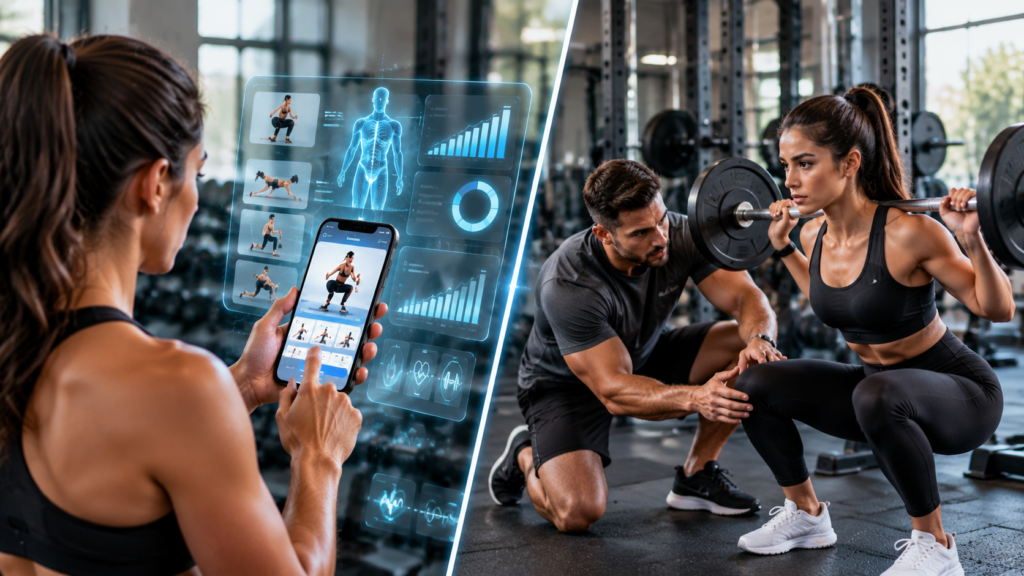
As trainers covering this space have consistently noted, an app can guide your workout, but it can’t watch your form the way an in-person coach can. AI tools are genuinely useful for structure, variety, and progression logic, but they don’t catch a rounded back on a deadlift or a knee caving in on a squat — the kind of real-time correction that prevents injury in the moment. If you’re new to a specific lift or movement pattern, pairing an AI-generated plan with at least some in-person or video-reviewed form coaching is a reasonable, safer approach than relying on the AI plan alone for technically demanding exercises. As with starting any new exercise program, checking with a doctor first is standard, sensible advice, particularly if you have any existing health conditions.
Expert Tips for Using These Tools Safely
- Pair an AI-generated plan with actual form instruction for any exercise you’re not already confident performing correctly.
- Start conservative on weight and intensity, even if the AI suggests something more aggressive based on your stated level.
- Use adaptive tools consistently (logging every session) to actually benefit from their adjustment features — sporadic logging limits how useful tools like Fitbod can be.
- Treat a free AI-generated plan as a strong starting structure, and don’t hesitate to swap an exercise you’re unsure about for one you’re confident doing well.
Frequently Asked Questions
Several genuinely free options exist — Nike Training Club is fully free, Alpha Progression’s tracker and exercise library are permanently free (though its AI generator is paid), and ChatGPT can generate plans for free with no subscription.
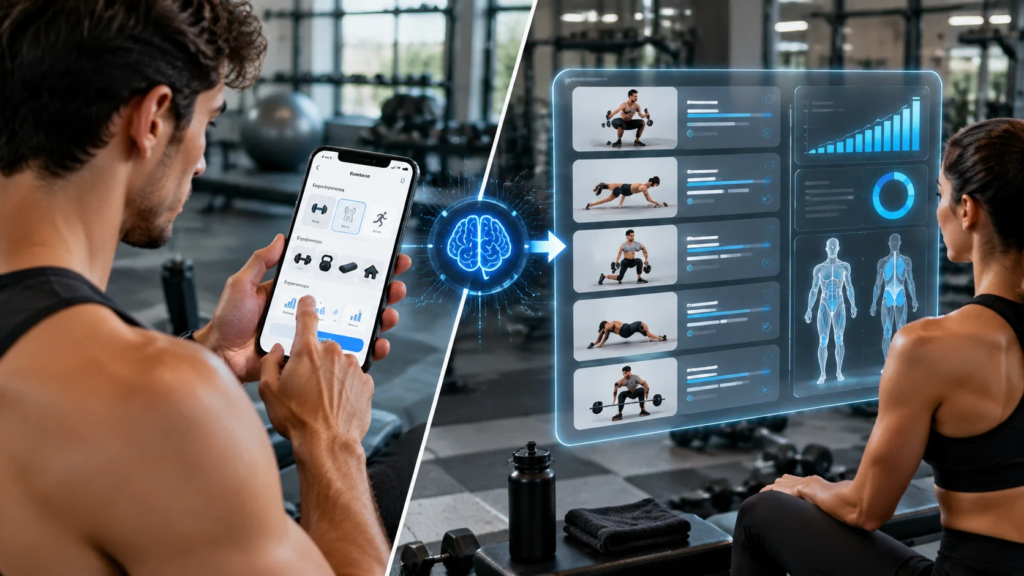
It typically takes your stated goals, equipment, and experience level and structures a plan around that; more advanced tools like Fitbod also adjust future sessions based on your logged training history and estimated recovery.
Nike Training Club and Freeletics are both strong, genuinely free (or free-tier) options built specifically around bodyweight and equipment-free training.
Fitbod offers adaptive AI programming with a trial before requiring a subscription; Alpha Progression’s tracker and exercise library are permanently free, with its AI generator reserved for paid users.
Yes — it can produce a full, free workout plan from a text description, though you’ll need to track your own progress manually since it isn’t a dedicated fitness-tracking app.
It’s reasonable for general fitness, but AI tools can’t watch your form the way a coach can, so pairing an AI plan with actual form instruction is the safer approach, especially for technically demanding lifts.
Only the more advanced, adaptive tools (like Fitbod) do this meaningfully — simpler generators produce a one-time plan that doesn’t automatically evolve unless you regenerate it.
Who published it and whether they have an obvious stake in the outcome — several widely-shared rankings in this space are published by a fitness app’s own company blog, ranking itself first.
Final Takeaway
The right free AI workout generator depends on what you’re actually training for — Nike Training Club or Freeletics for bodyweight work, Fitbod or Alpha Progression for structured gym training, or ChatGPT for a quick, flexible plan without installing anything. Whichever you choose, give it specific, honest input about your equipment and experience level, pair it with real form instruction for anything technically demanding, and treat any single “best app” ranking — including this one — with a healthy dose of checking who’s actually behind it.

Hamad Arshad
SEO Specialist | SEO Manager | GEO Strategist
7+ Years of Experience in SEO, GEO, AEO, AI SEO, Local SEO, Technical SEO, PPC, Google Ads & Meta Ads.





Leave a Reply